Walking through Color
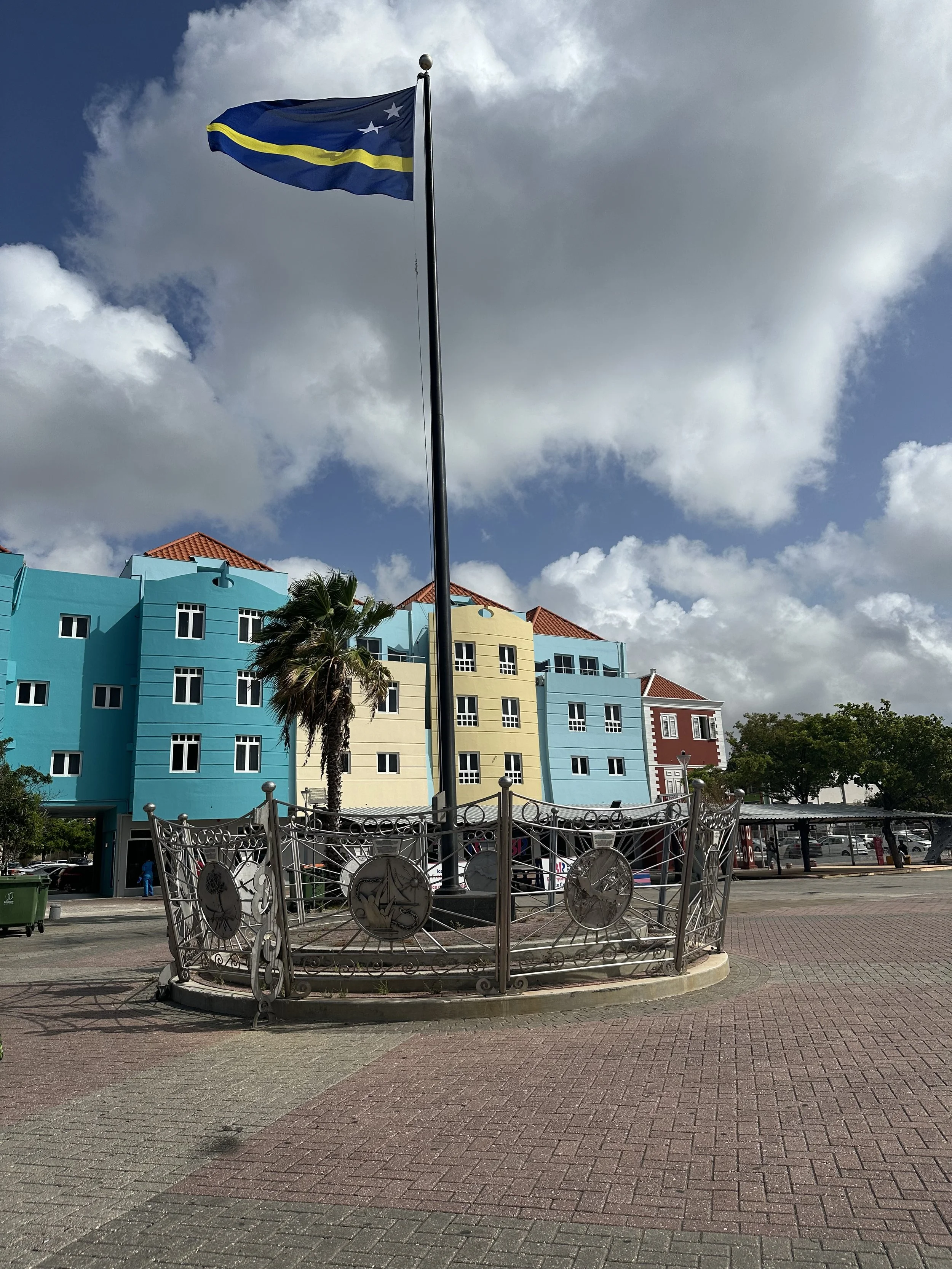
While staying at Sandals Curacao, my husband and I opted to explore the historical town of Willemstad, Curacao. This beautiful city is actually a UNESCO World Heritage Site. This Dutch-Caribbean island is a colorful display of culture in a land rich in heritage. The island is diverse, blending Dutch, African, Spanish, and Caribbean cultures.
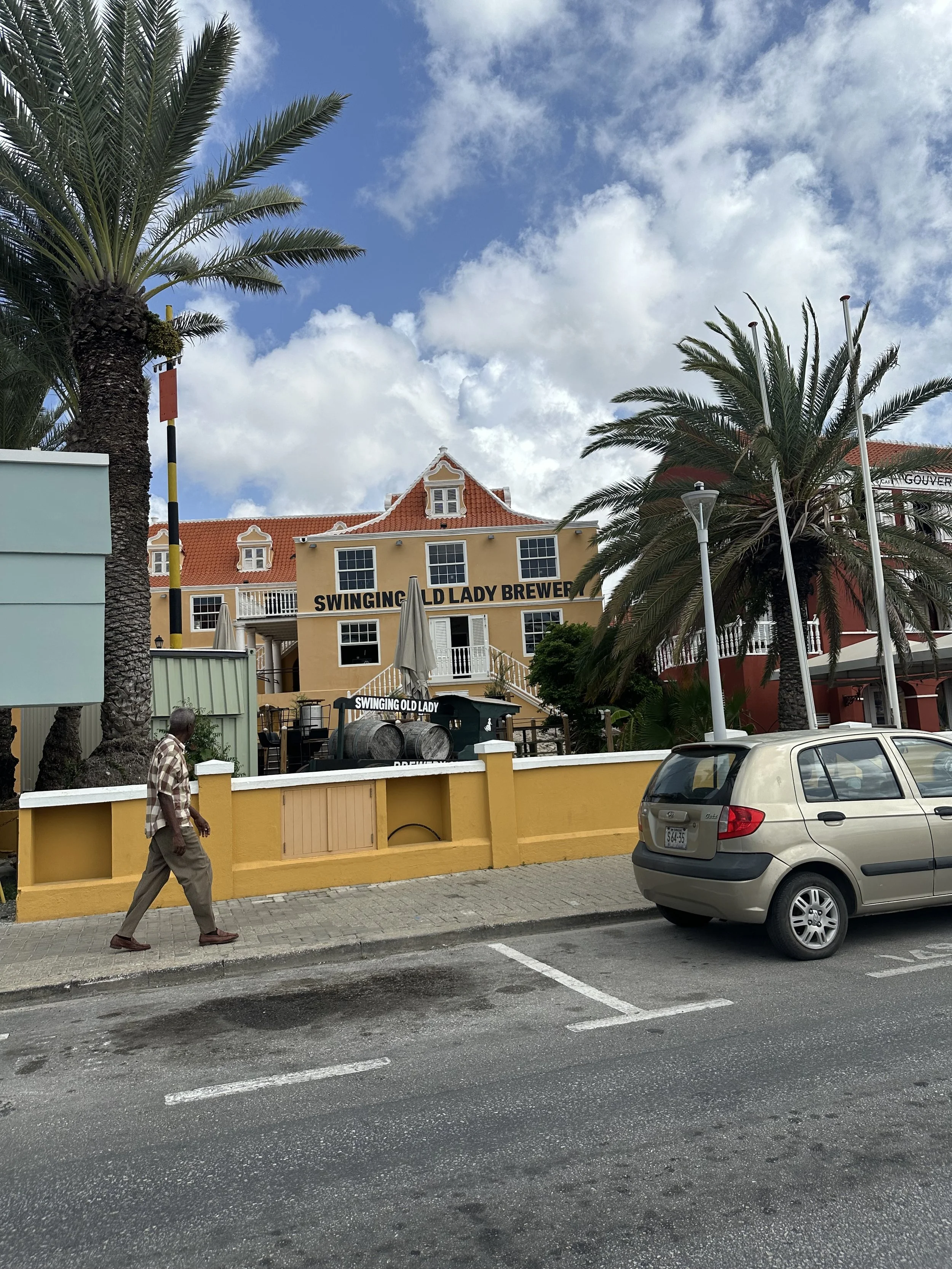
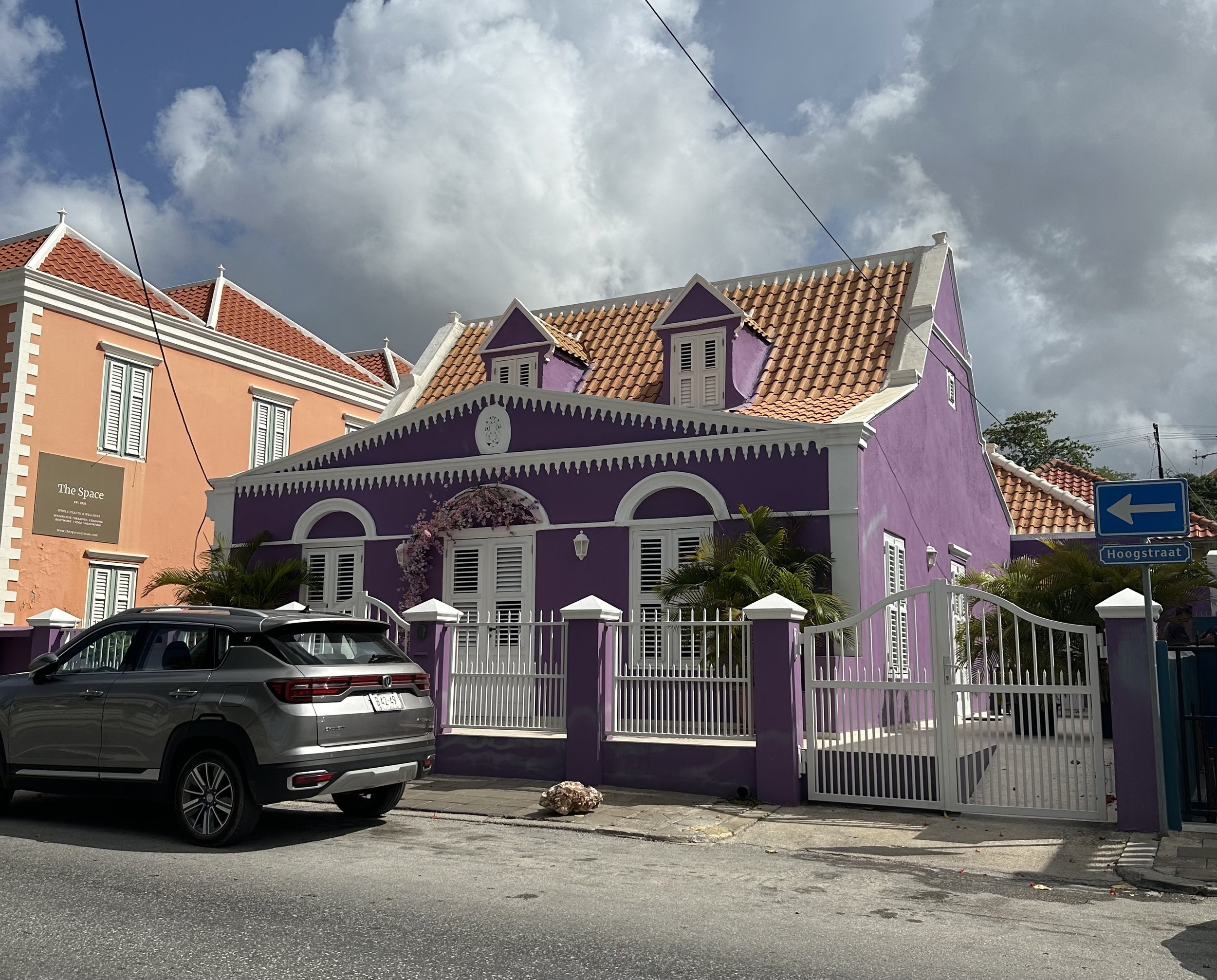
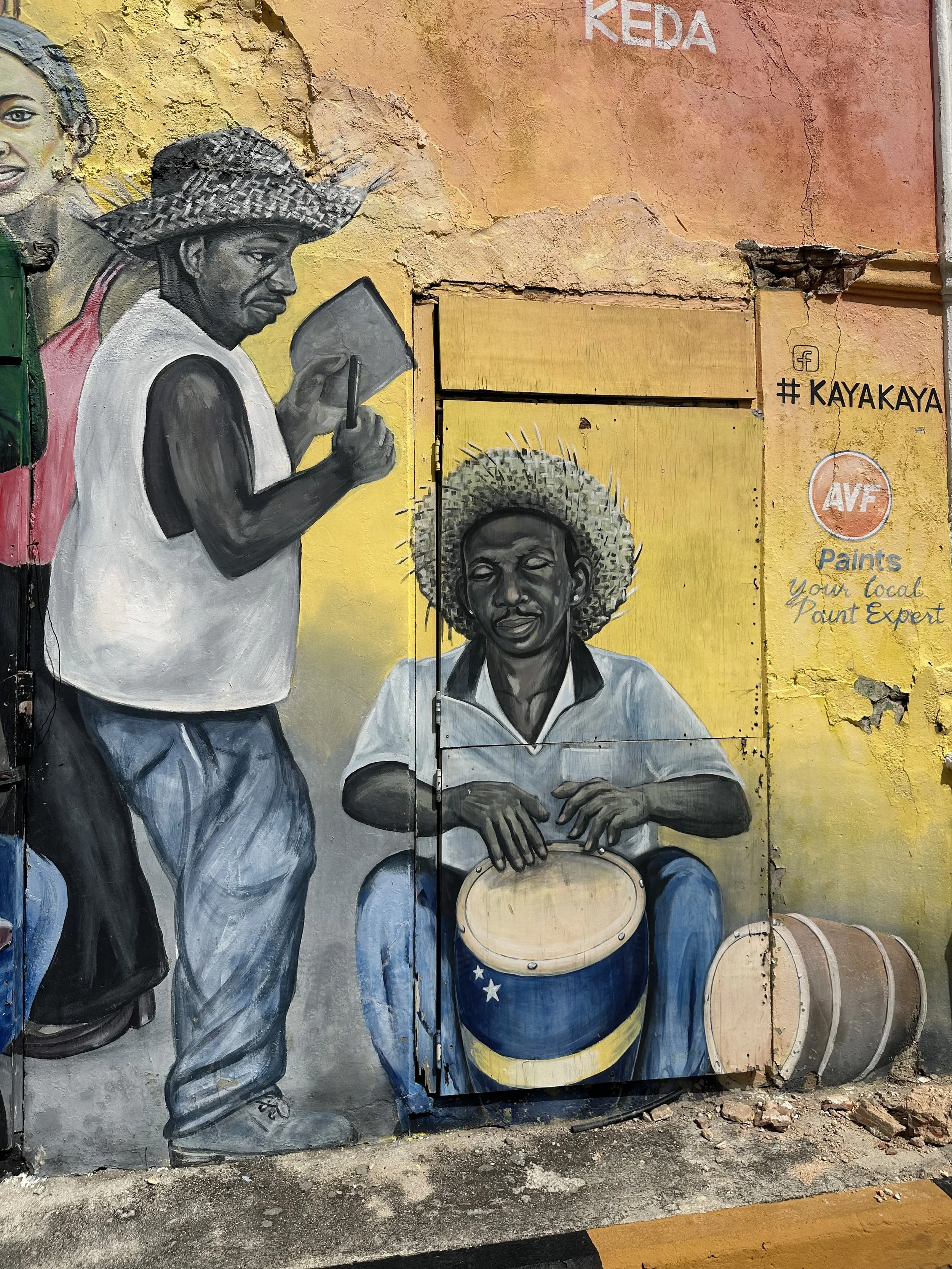
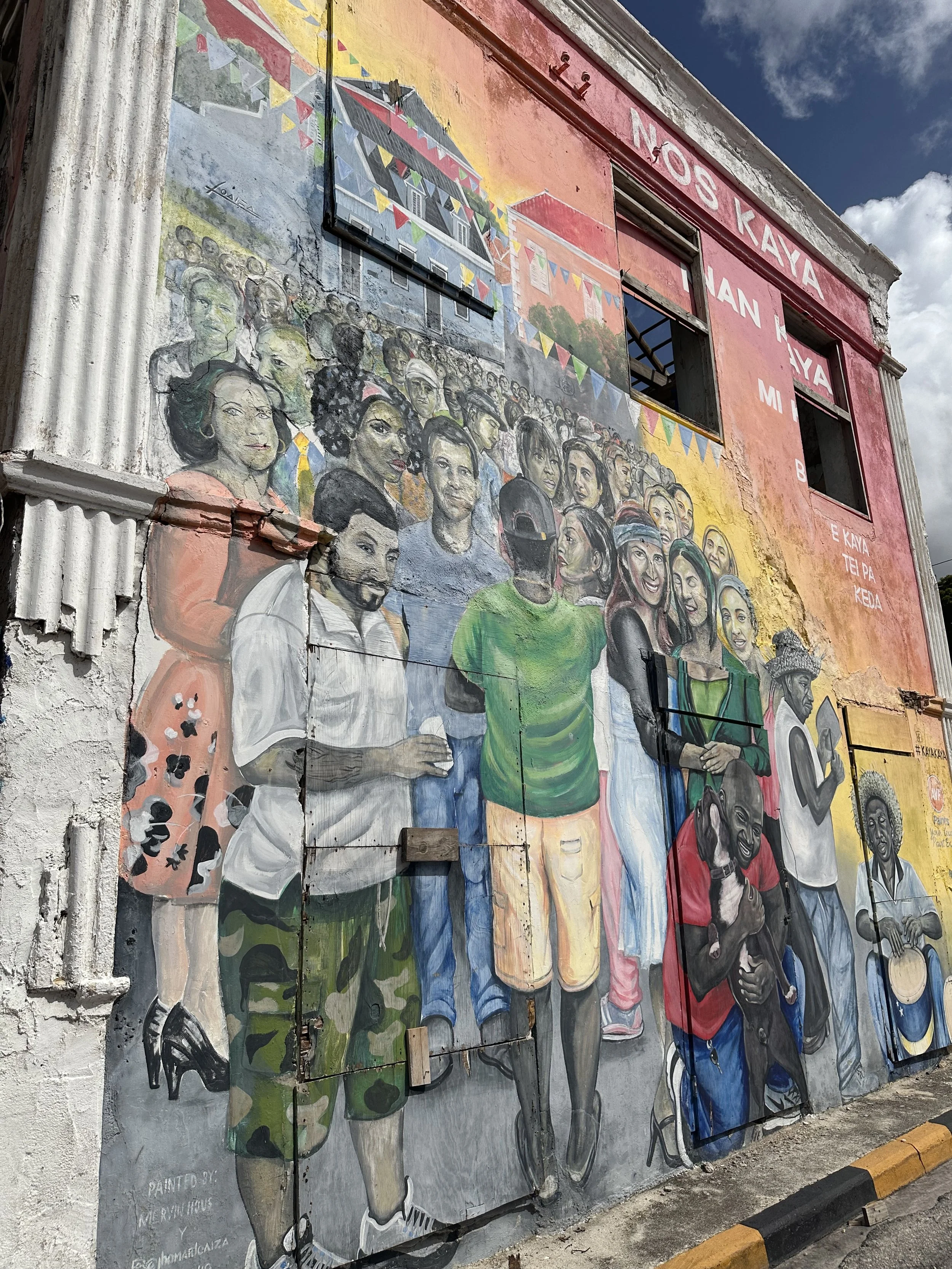
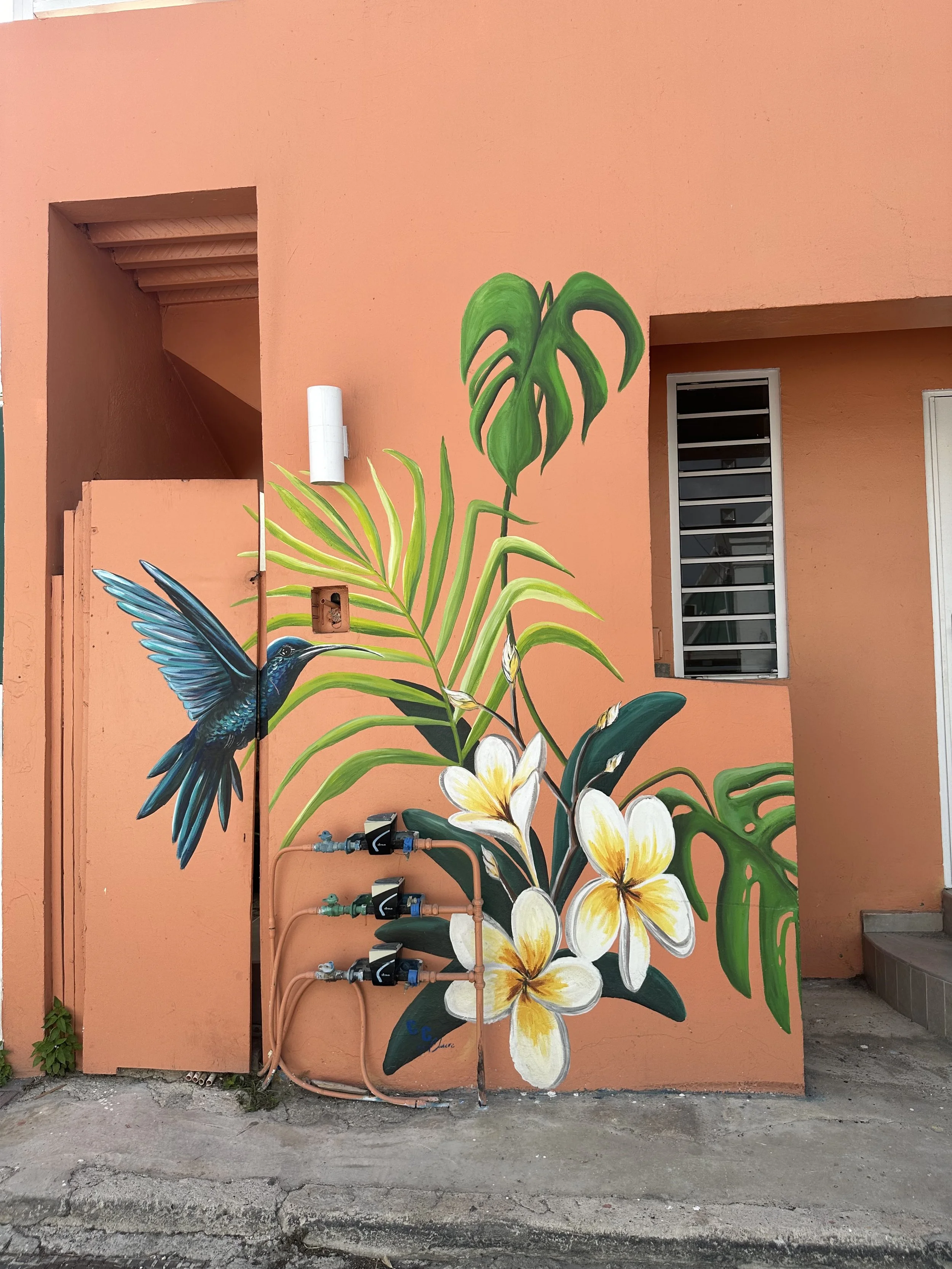
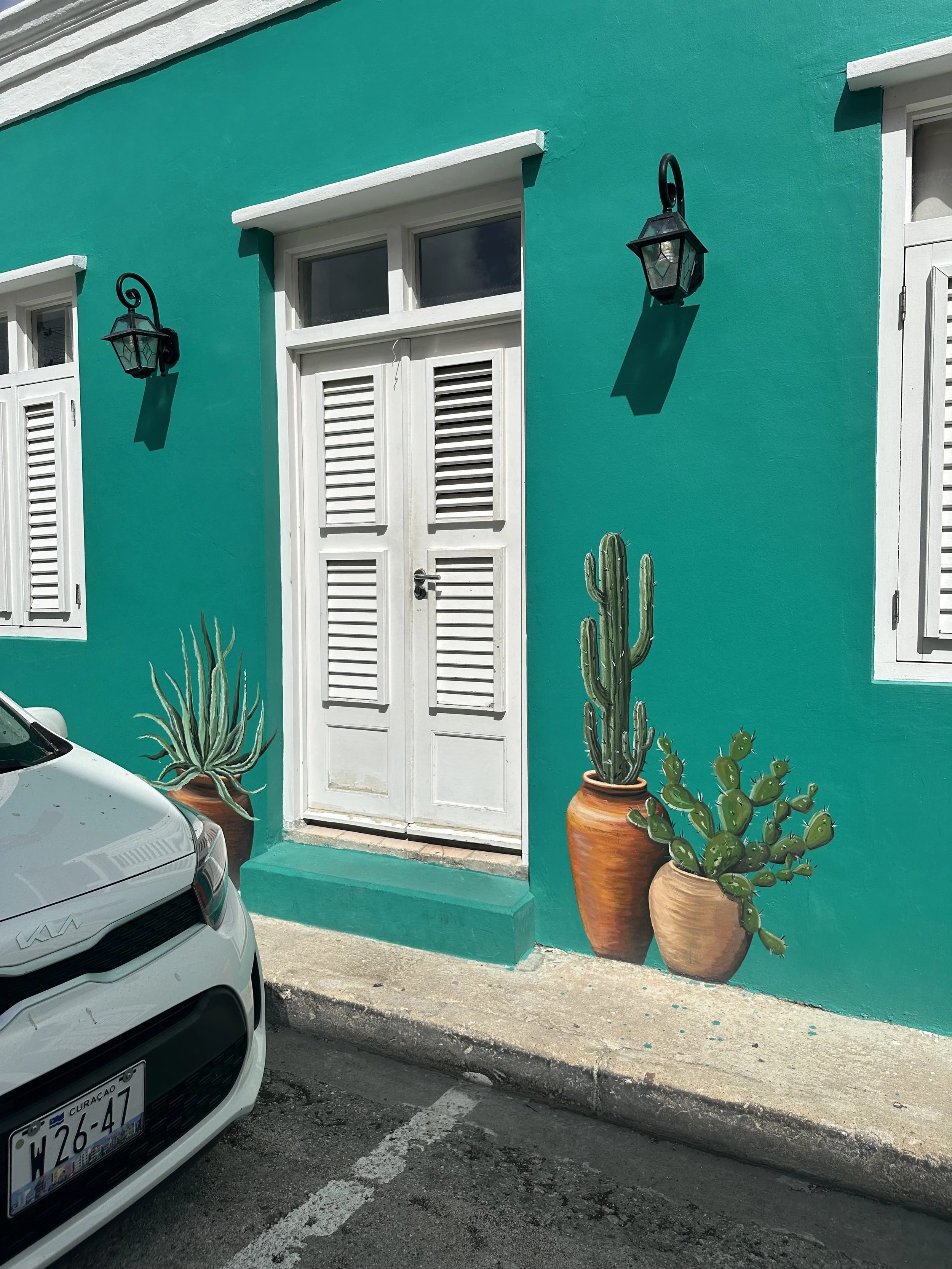
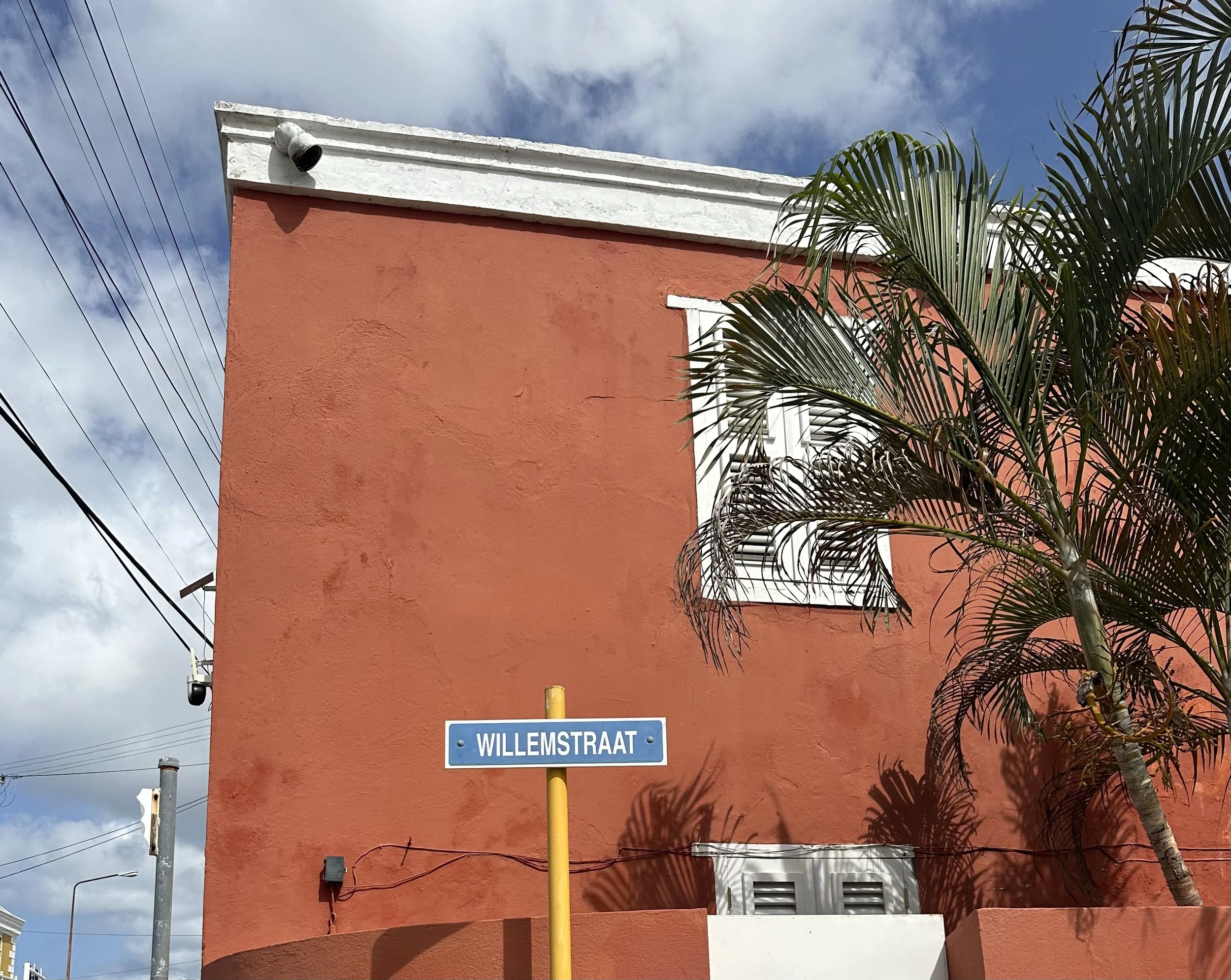
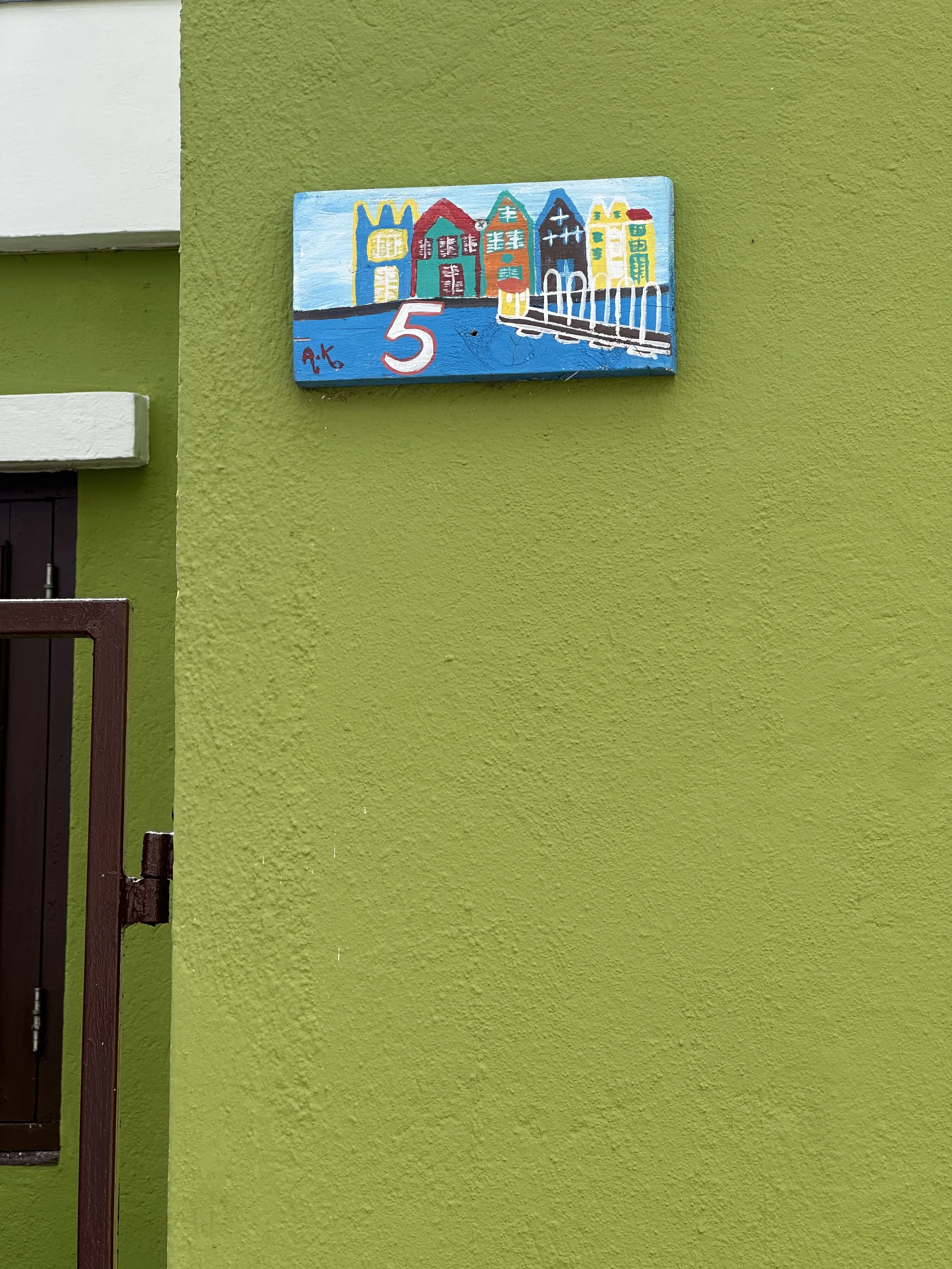
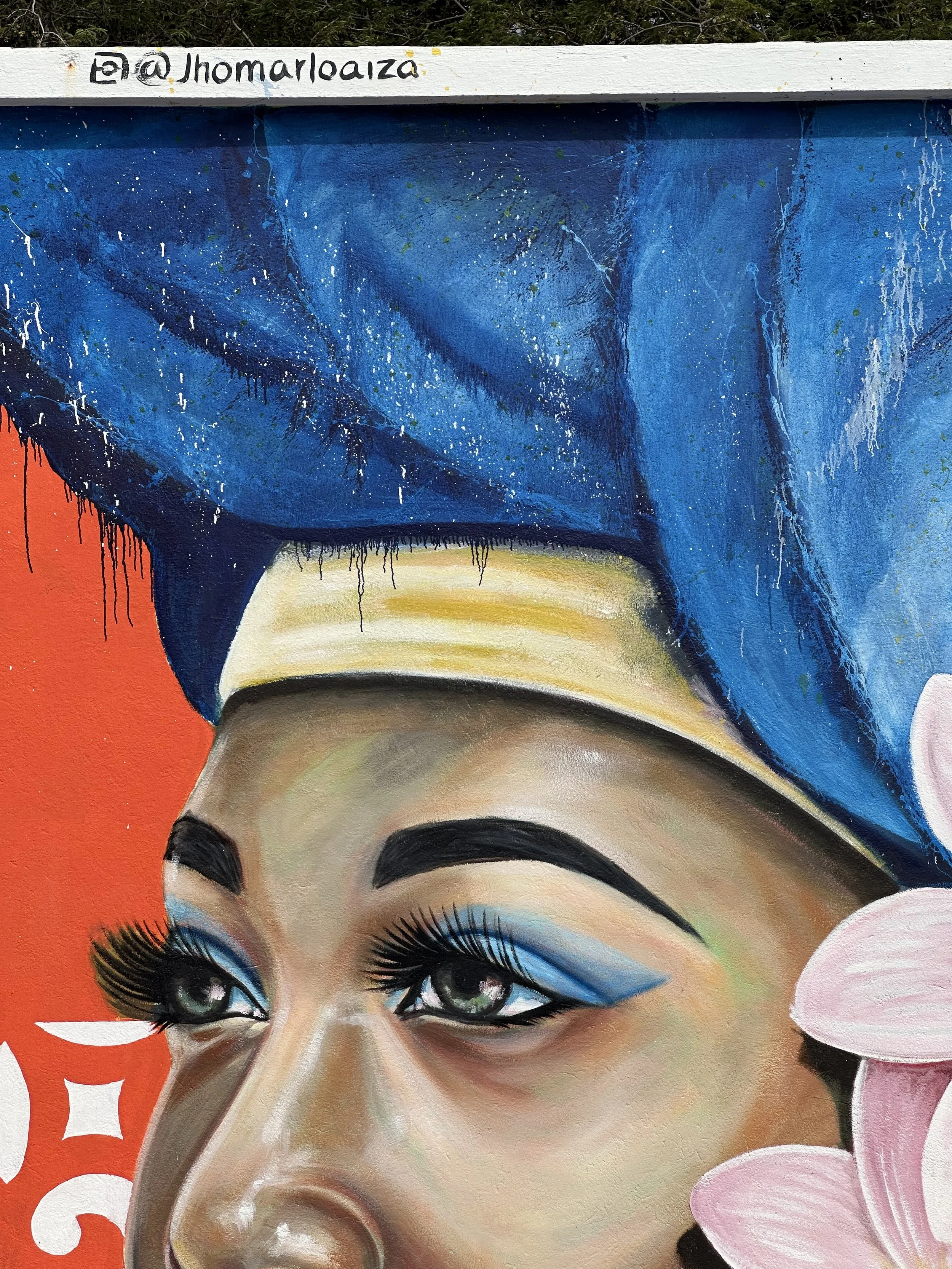
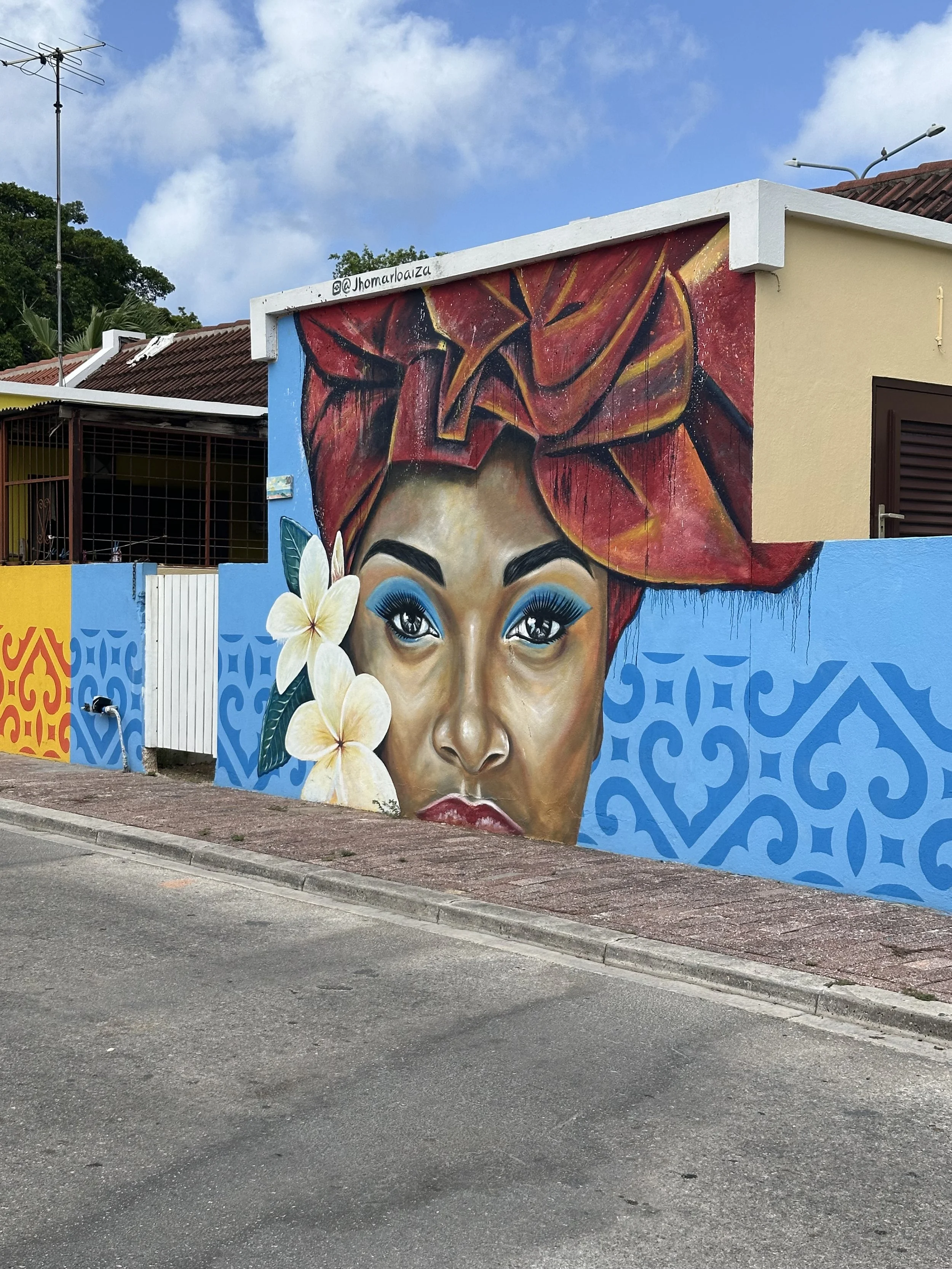
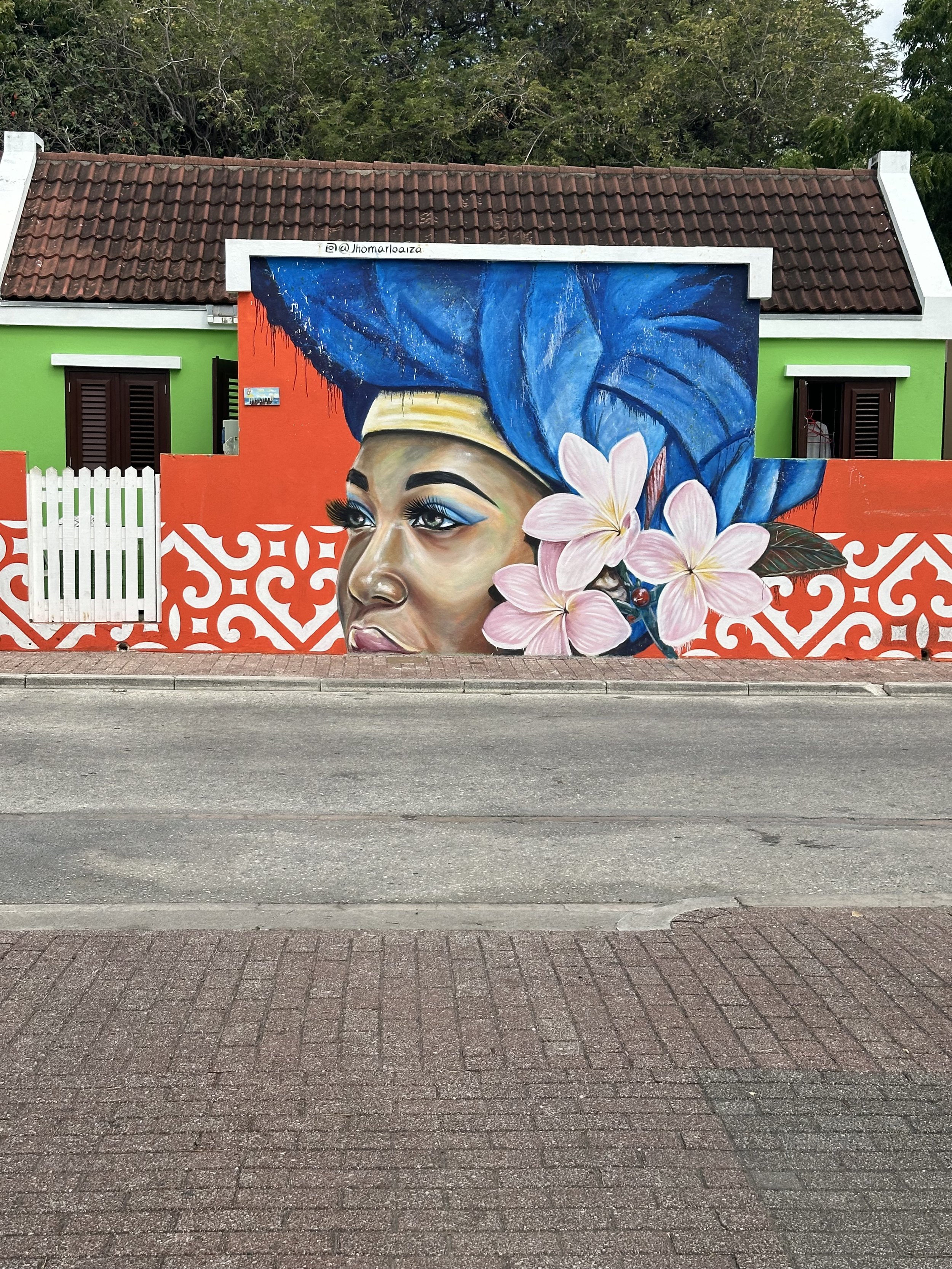
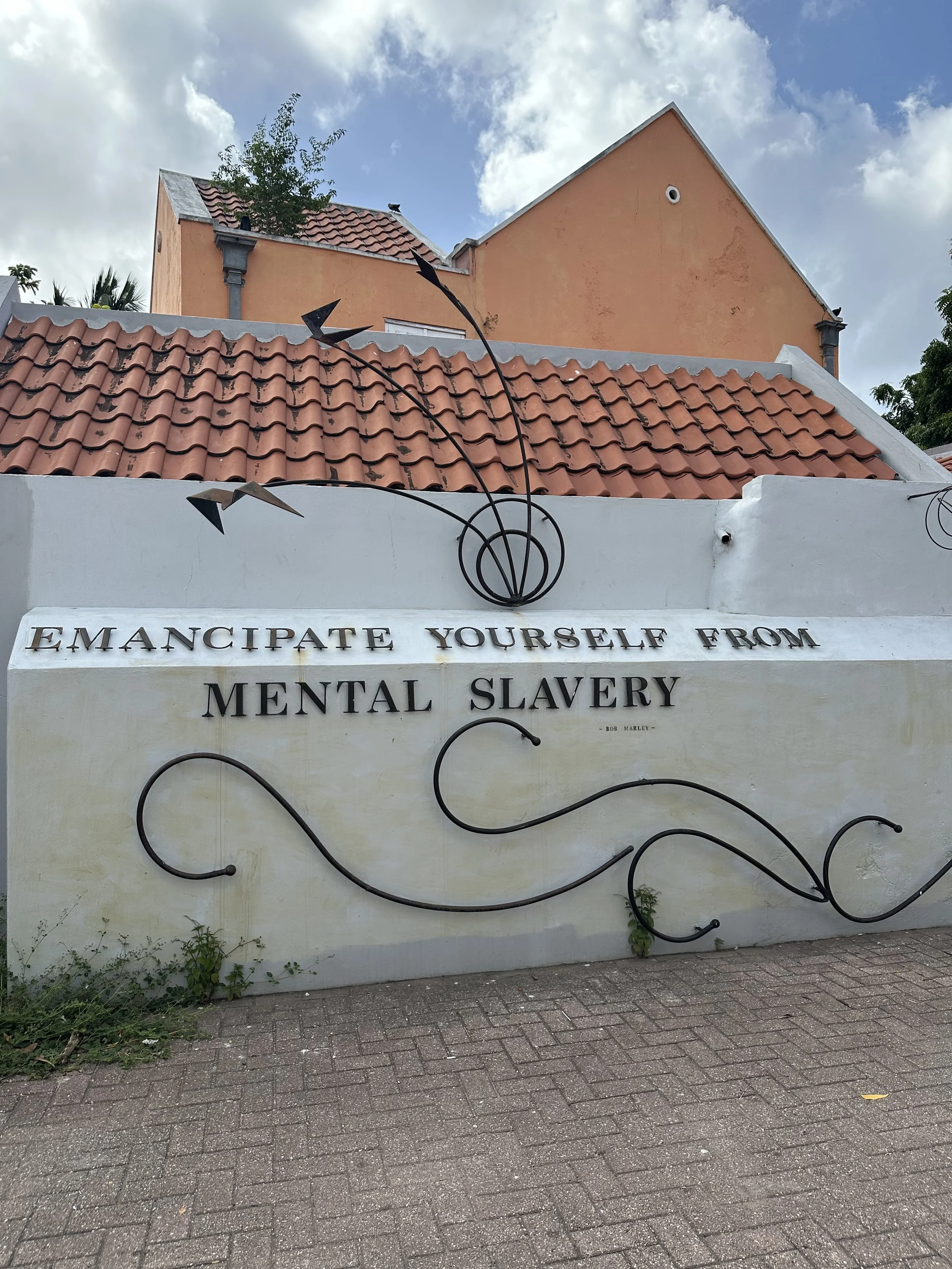
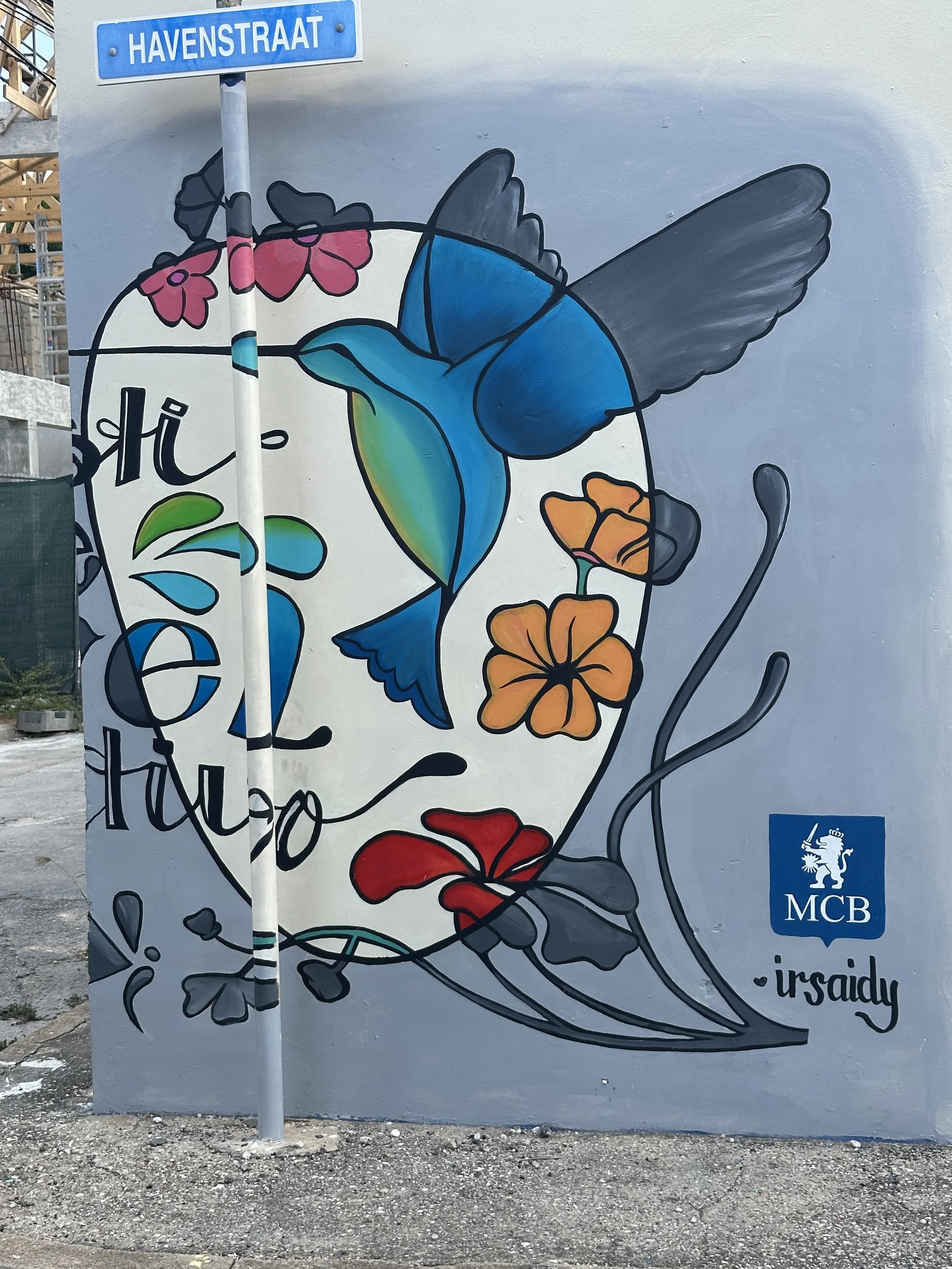
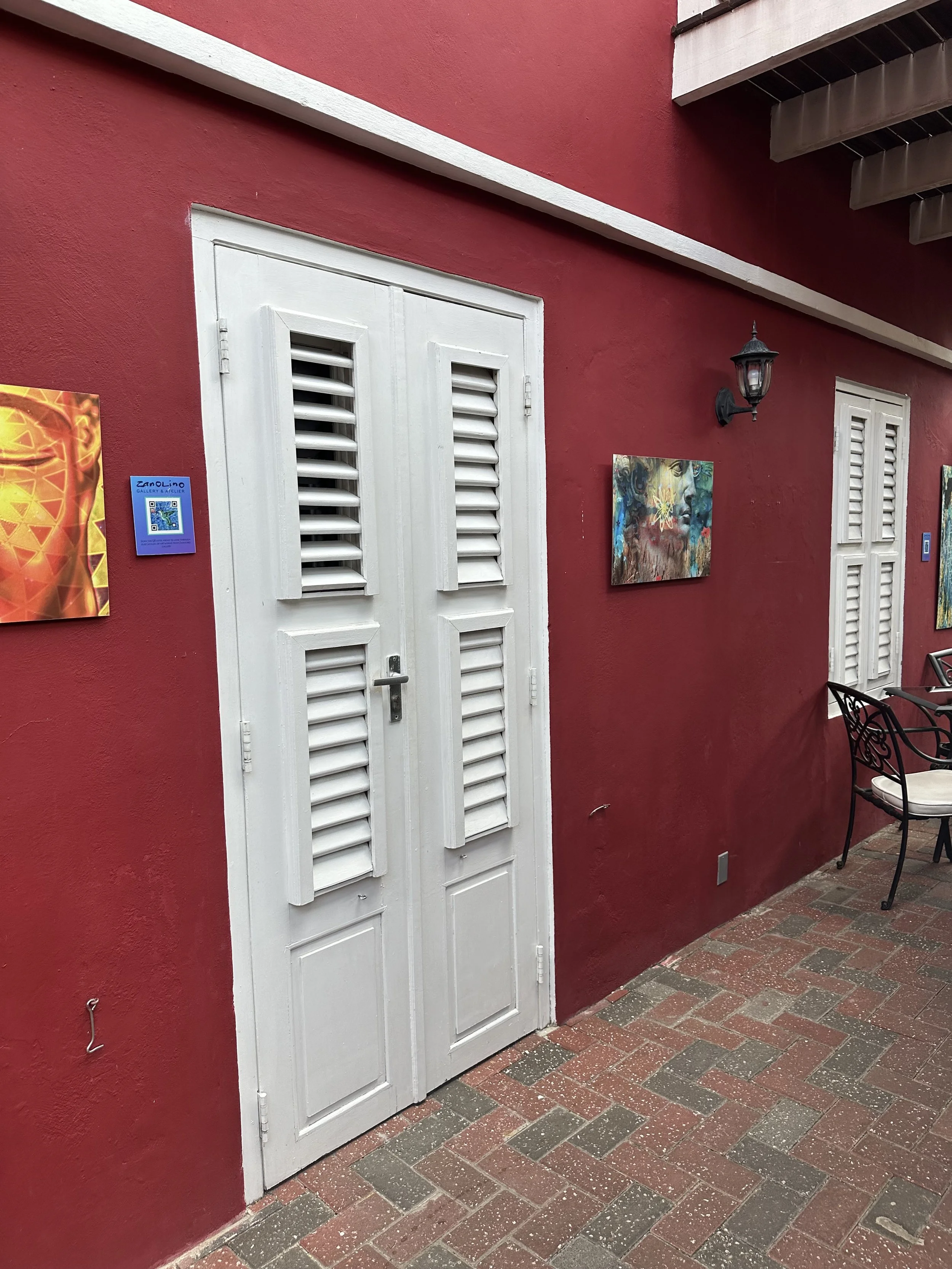
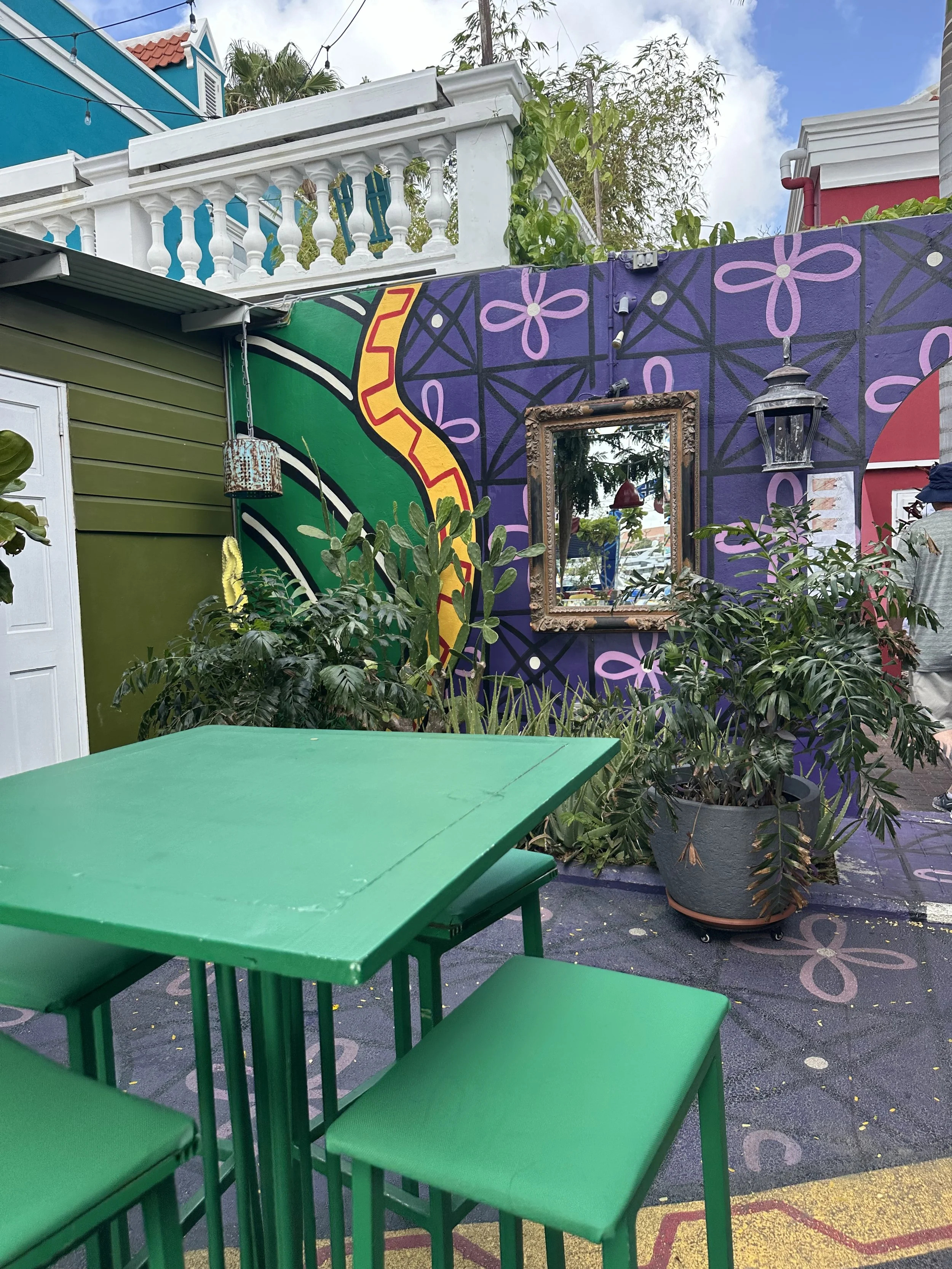
Our walking tour took us through the town of Otrabanda, known as the “other side” of the Saint Anna Bay. The street art is electrifying! The land is arid, with plant life living on the walls in vibrant paint colors! House numbers, street signs, and history are painted along the cement walls of the houses and buildings. Homes are colored in pastels of all shades. It felt like Harold (of Harold and his Magic Crayon) had arrived with an entire box of crayons to bring color to an otherwise colorless vista.
The story told is that in 1817, the Dutch Governor-General, Albert Kikkert, had terrible migraines, which he blamed on the sun reflecting off white buildings. He decreed that all buildings must be painted in any color but white. On top of that, it is suggested that he might have had a financial interest in the local paint store!
WHAT TO SEE:
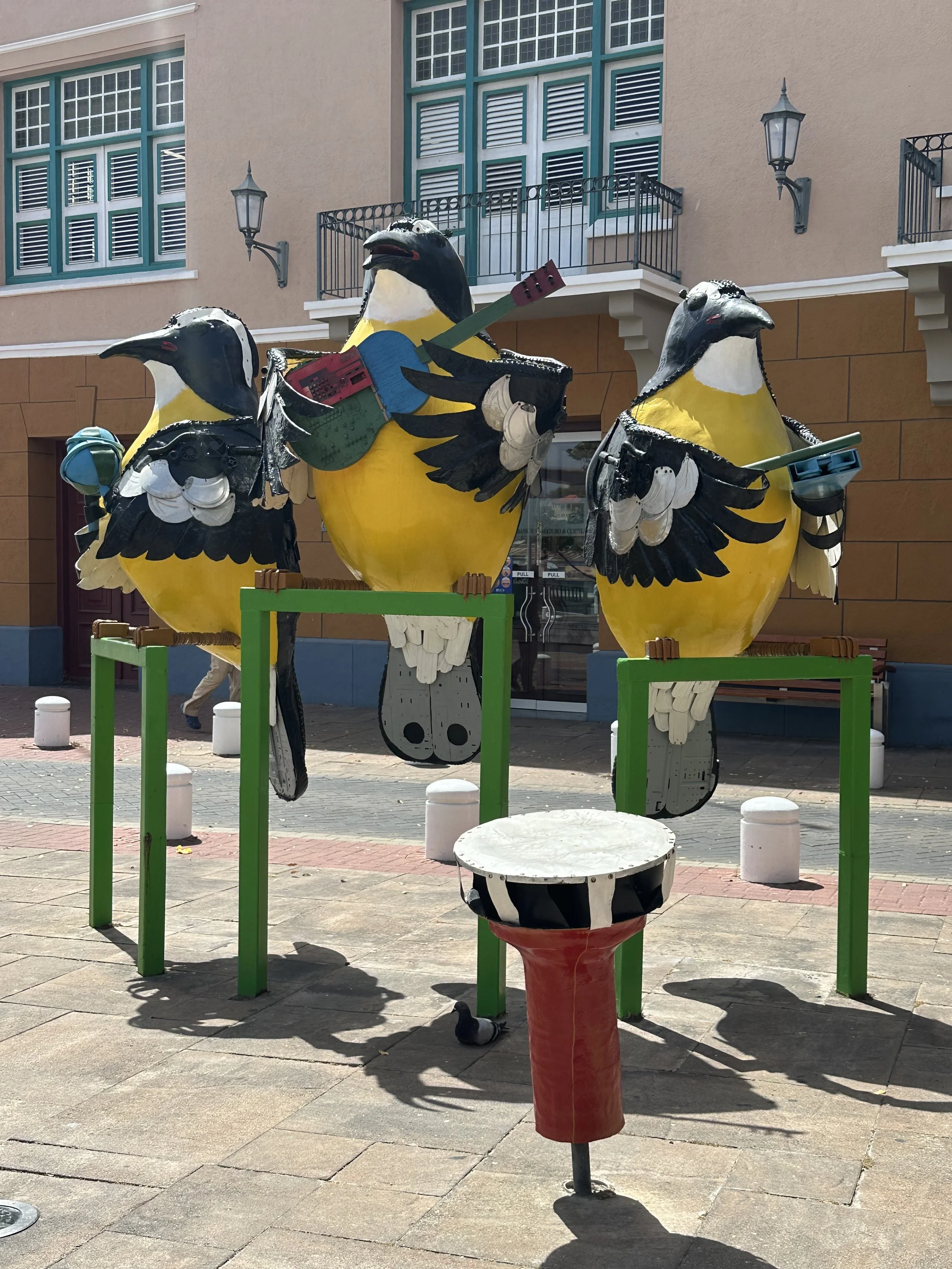
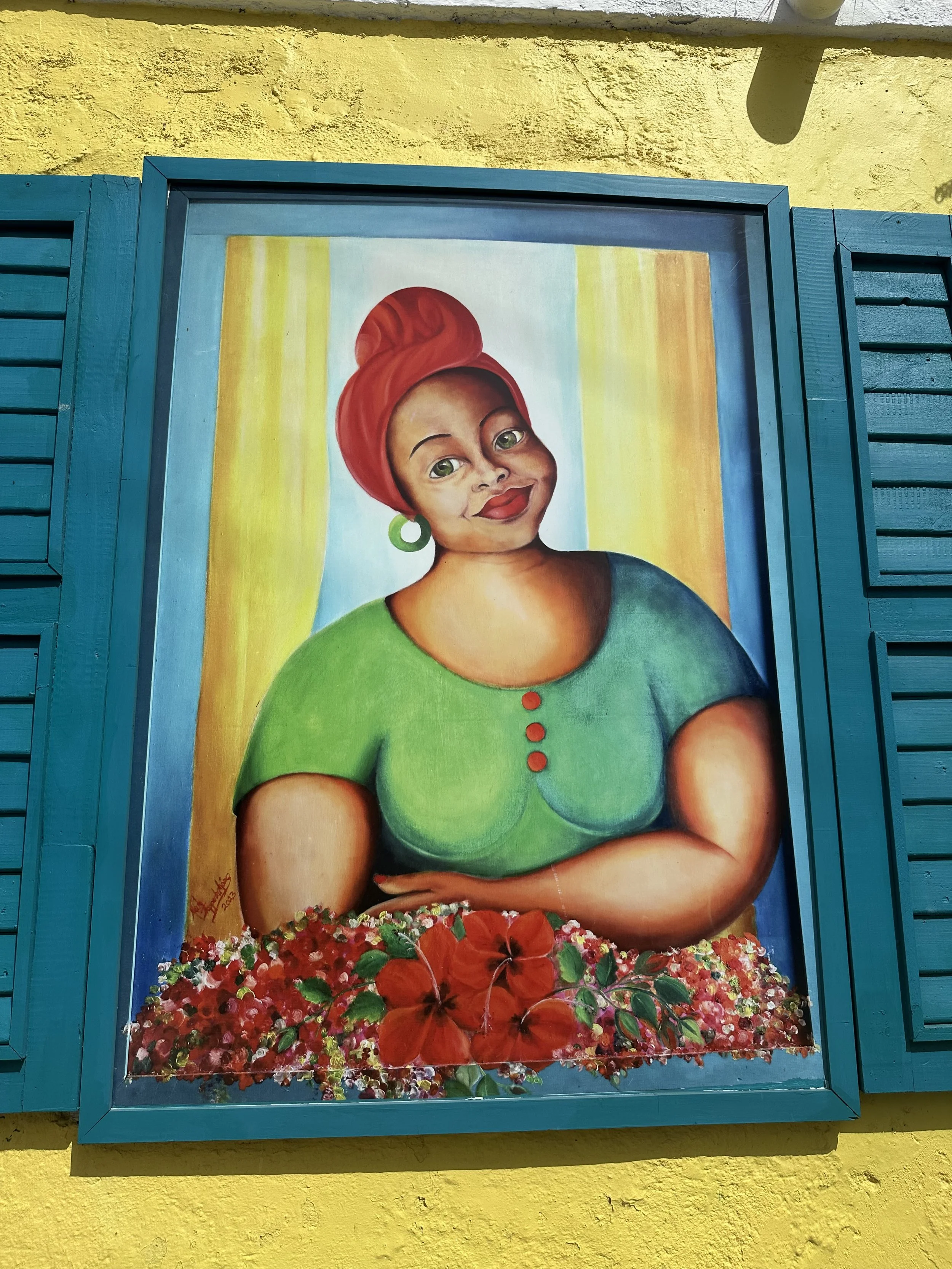
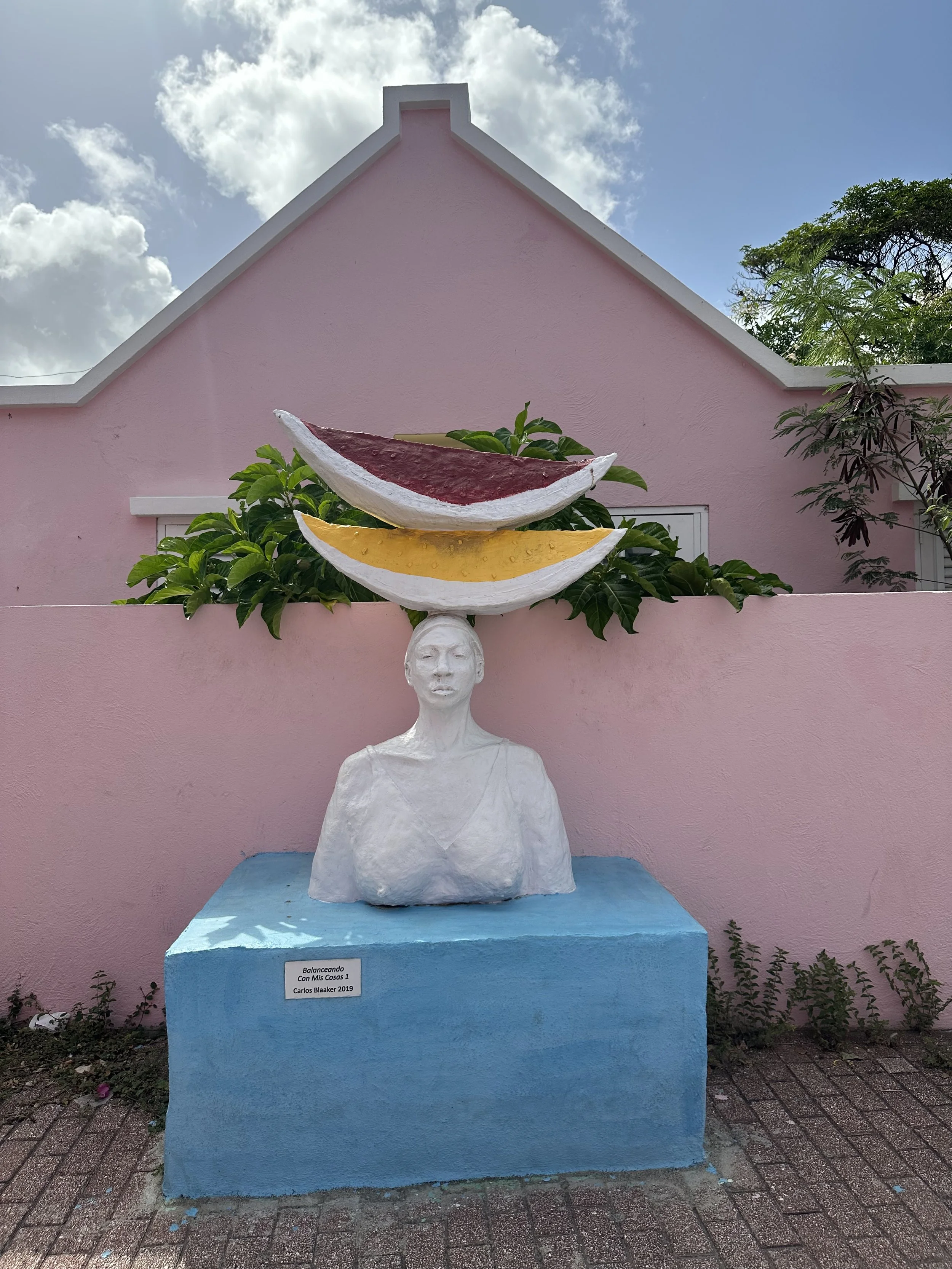
Historic Punda and Otrobanda neighborhoods now sport large-scale murals on colonial buildings and modern structures alike. Bright geometric patterns, portraits of local figures, marine life, and scenes of everyday island life are common motifs.
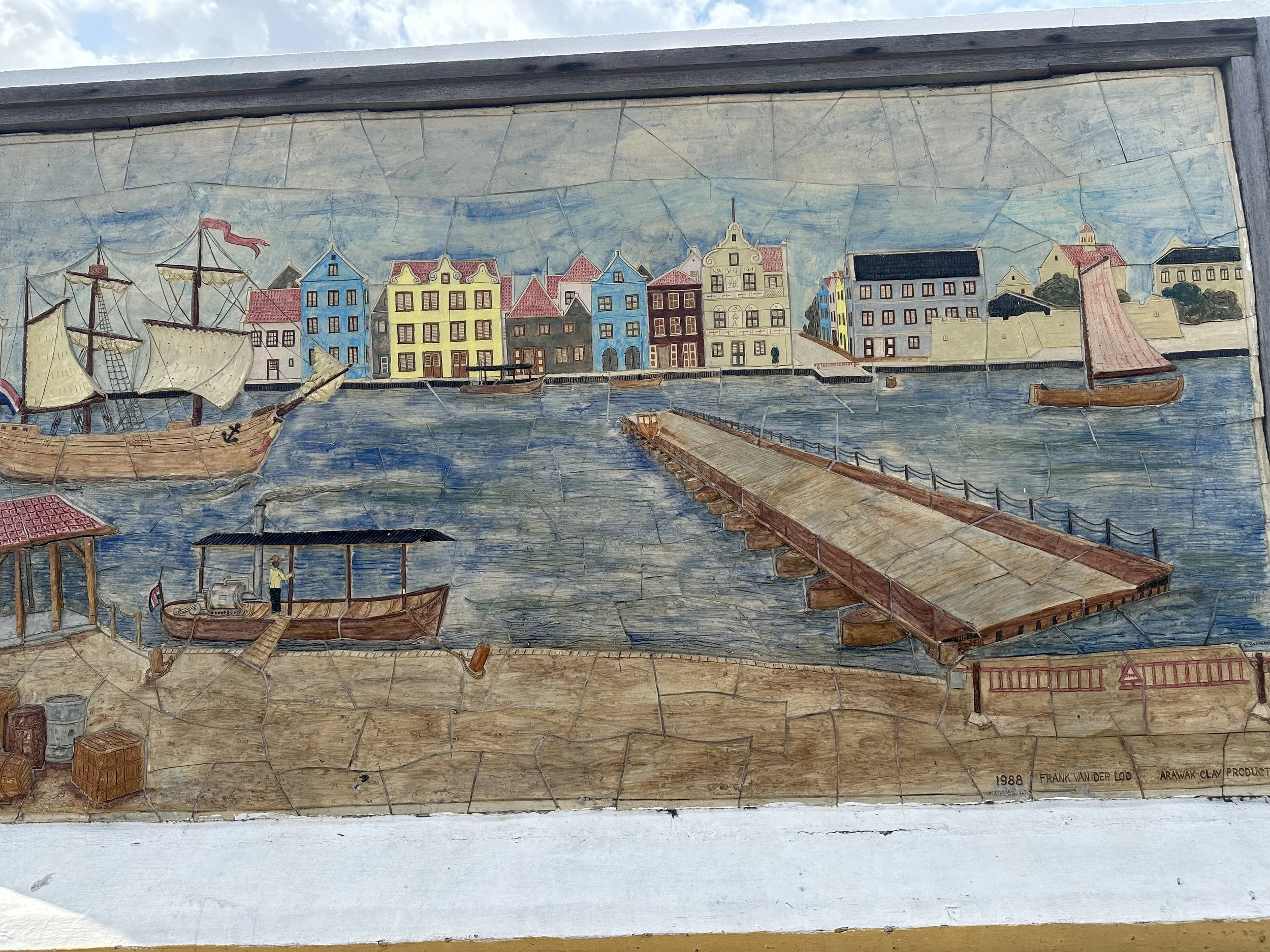
The Handelskade waterfront remains iconic for its pastel Dutch colonial facades, but nearby alleys and plazas feature contemporary street art that provides a vibrant contrast.
Bridge approaches and pedestrian corridors carry mosaics and painted benches, turning functional spaces into places to linger.
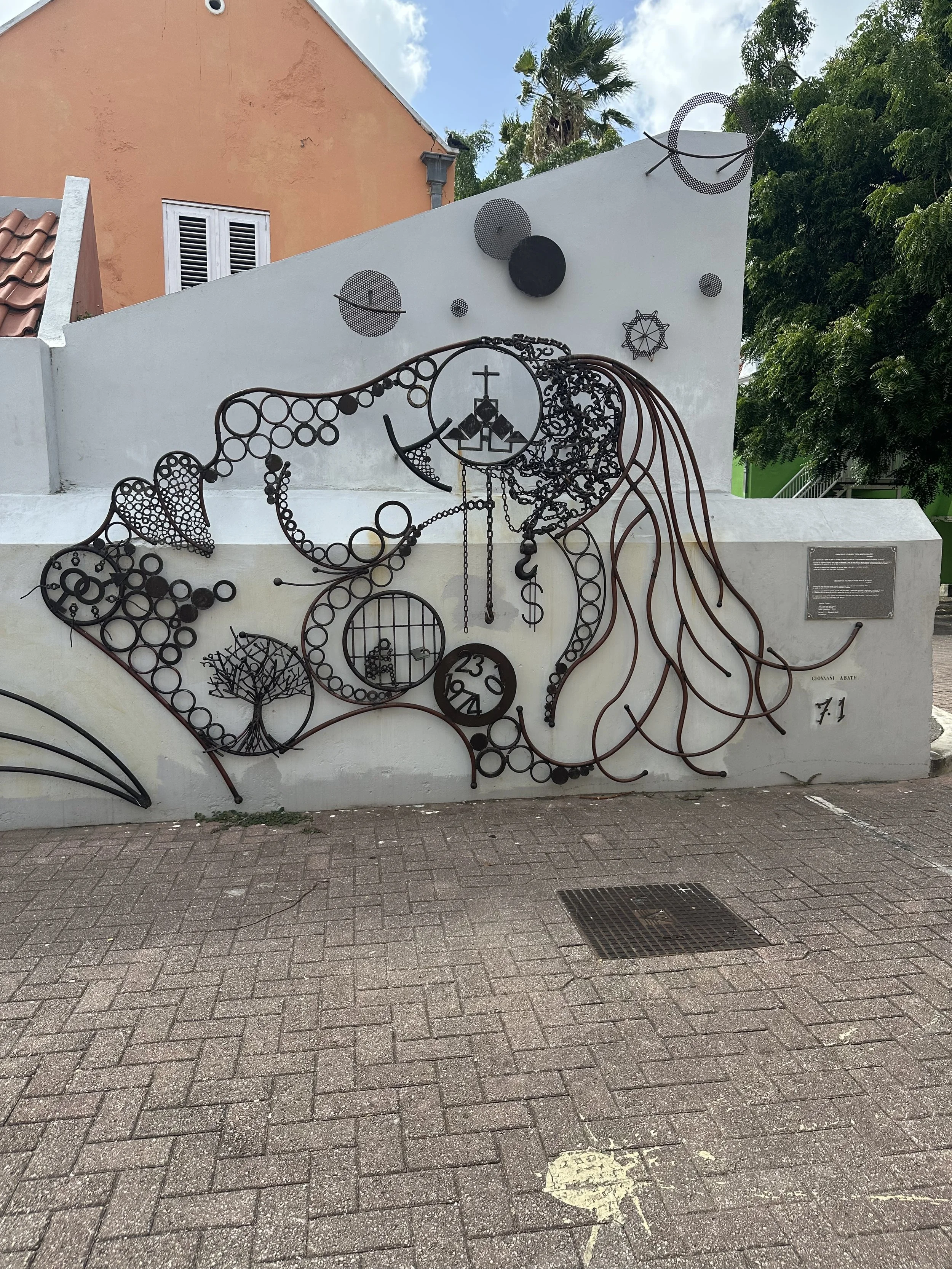
Small, unexpected pieces—stenciled images, painted utility boxes, and tiled murals—reward exploration off main thoroughfares.
Artists and community
Local artists lead the movement, often collaborating with international muralists invited for festivals and community projects. These collaborations foster cultural exchange and new techniques while prioritizing island perspectives.
Many projects are community-driven, with workshops that involve residents and youth in design and painting. This engagement helps instill pride and supports arts education.
Several murals pay homage to Curaçaoan heritage—Papiamentu language, musical traditions like tambú, and the island’s Afro-Caribbean roots—while others highlight environmental themes, notably coral reef conservation and marine biodiversity.
Where to experience it
Start around Handelskade, then cross the Queen Emma Pontoon Bridge into Otrobanda to explore backstreets and stairways lined with art.
The Riffort Village and nearby promenades host rotating installations and festival walls.
Barrio Scharloo, with its restored mansions and courtyards, contains both historic architecture and contemporary pieces.
Look for marked mural trails and local maps at visitor centers for self-guided walks.
Preservation efforts vary: some murals are maintained by sponsors or community groups, while others age naturally. Look for restoration programs or volunteer opportunities if you want to help.
Willemstad’s street art enriches the urban environment, offering accessible culture that reflects local identity and contemporary concerns. For visitors, it provides a colorful, authentic way to connect with the city beyond traditional landmarks. For residents, it’s a visible expression of creativity, history, and community pride.